


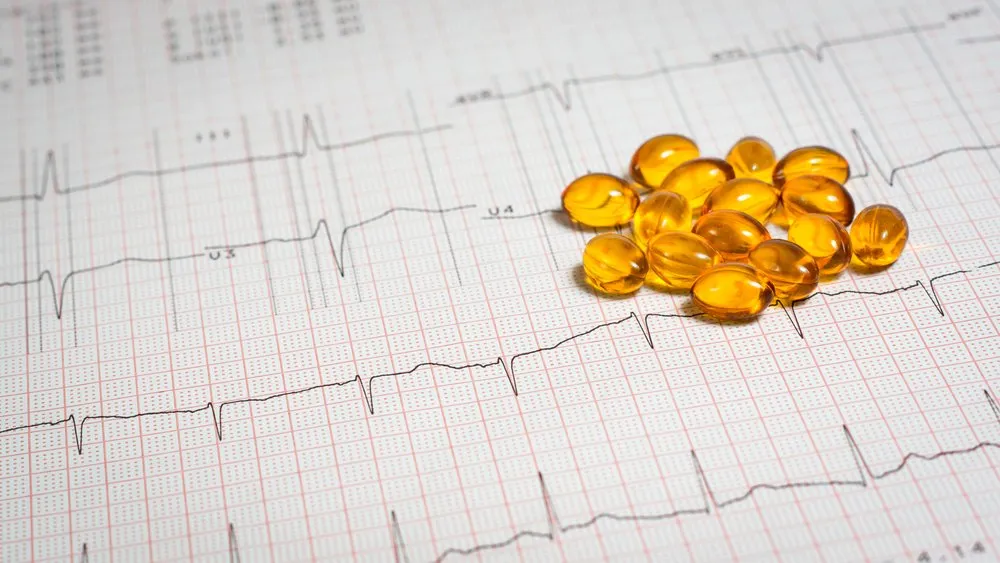
Discover what science says about the relationship between vitamin D and cardiovascular health, how it influences the heart, and why maintaining adequate levels can make a difference.
Cardiovascular health depends not only on cholesterol, weight, or blood pressure. Today we know that the functioning of the heart and blood vessels is linked to multiple biological factors, and one of them is vitamin D.
Traditionally known for its role in bone health, vitamin D has sparked enormous interest in cardiology due to its influence on inflammation, arterial function, and metabolism. But an important question arises: is it truly a heart ally, or has its role in cardiovascular prevention been exaggerated?
What is the relationship between vitamin D and the heart?
Vitamin D acts in the body as a molecule with hormone-like activity. Its receptors are found in numerous tissues, including the cardiovascular system.
Several studies have shown that this vitamin participates in essential processes related to heart health, including:
- Regulation of blood vessel function.
- Modulation of inflammation.
- Influence on blood pressure.
- Participation in glucose metabolism and insulin sensitivity.
For this reason, many specialists consider that maintaining adequate levels of vitamin D is part of comprehensive cardiovascular care.
How might vitamin D protect the cardiovascular system?
Although research continues to advance, there are several biological mechanisms that help explain its possible protective role.
1. Helps maintain healthier arteries
Vitamin D plays a role in maintaining the inner layer of blood vessels, promoting greater arterial flexibility and preventing premature deterioration.
A healthy vascular system reduces the effort the heart has to make to pump blood.
2. It helps reduce inflammation
Chronic inflammation is one of the factors involved in the formation of atherosclerotic plaques.
Vitamin D has anti-inflammatory properties that could help limit this process and reduce long-term vascular damage.
3. It influences metabolism and cardiometabolic risk
Insulin resistance and type 2 diabetes significantly increase cardiovascular risk.
Maintaining adequate levels of vitamin D can improve insulin sensitivity and contribute to metabolic balance, a key aspect for prevention.
Vitamin D deficiency: what consequences can it have for the heart?
Vitamin D deficiency is relatively common and can go unnoticed for years.
When a deficiency exists, alterations related to the following may occur:
Hypertension
Vitamin D plays a role in systems that regulate blood pressure. A deficiency can lead to imbalances that contribute to hypertension.
Weakening of the heart muscle
Some studies associate low levels with worse heart muscle function and a higher risk of heart failure.
Increased inflammation and arterial stiffness
The deficiency may also be related to increased vascular inflammation and loss of elasticity in the arteries, factors involved in the risk of heart attack.
How to prevent vitamin D deficiency naturally
Prevention remains the best strategy.
Some simple measures can help maintain healthy levels:
Smart solar exposure
Cutaneous synthesis is the main source of vitamin D.
Moderate sun exposure —approximately 10 to 15 minutes daily, depending on skin type and time of year— can promote its production.
Diet rich in vitamin D
Include foods like the following in your diet:
- fatty fish.
- Yolk.
- Fortified foods.
Although food rarely covers all needs, it does contribute to overall balance.
Regular physical activity
Exercise improves metabolism and is part of any effective cardiovascular prevention strategy.
When is it necessary to take supplements?
Supplementation should not be started on your own.
It is generally recommended when an analysis confirms low levels of 25-hydroxyvitamin D , especially if they are below 20 ng/ml.
Medical treatment usually includes:
- Discovery through blood tests.
- Individualized dose adjustment.
- Periodic clinical follow-up.
Beware of self-medication
One of the most frequent mistakes is thinking that "more vitamin D means more protection".
That's not true.
Excess can cause an increase in blood calcium and promote calcification in arteries and kidneys, generating significant risks to cardiovascular health.
Therefore, supplementation should always be done under professional supervision.
So… does vitamin D prevent heart attacks?
The answer requires nuance.
Vitamin D is not a miracle cure and does not replace healthy habits such as a good diet, regular exercise, stress management, or medical supervision.
However, maintaining adequate levels can become a valuable complementary tool to protect the cardiovascular system and reduce risk factors.
Vitamin D and cardiovascular health
Vitamin D is much more than just a bone-related vitamin. Its influence on the heart and arteries makes it a relevant factor in modern cardiovascular care.
The key is balance:
✔ Detect potential deficits in time.
✔ Maintain healthy habits.
✔ Avoid self-medication.
✔ Follow medical recommendations when supplementation is necessary.
Maintaining your vitamin D levels, along with an active lifestyle and responsible sun exposure, can be a silent but powerful investment in your heart health.
By Dr. Lina de Lara, specialist in Cardiology